Bitbox02 Is a Hardware Wallet for Practical Self-Custody
Bitbox02 Is a compact hardware wallet used to keep cryptocurrency private keys offline while transactions are reviewed and approved on a separate device. It is best understood as a signing tool, not a bank account or investment product. Bitbox02 helps users manage self-custody by pairing a secure device with companion software, backups, address verification, and deliberate transaction approval steps.
Bitbox02 fits the search intent behind people asking whether a hardware wallet is worth using: it separates key storage from an everyday computer or phone. That separation matters because laptops, browsers, extensions, and software dependencies can be exposed to phishing, malware, fake wallet prompts, or address replacement attacks. Bitbox02 cannot remove every risk, but it gives the user a dedicated place to verify what is being signed before funds move.
What is Bitbox02?
Bitbox02 is a hardware wallet made for self-custody of digital assets. In simple terms, Bitbox02 stores the secret material needed to authorize transactions and keeps that material inside the device. The companion app prepares wallet actions, but the device is where approval happens. This design is common in cold wallet workflows because it reduces dependence on a general-purpose computer for the most sensitive part of the process.
Bitbox02 is often discussed in the context of Bitcoin storage, long-term savings, and safer everyday wallet operations. Some versions and configurations focus on Bitcoin-only use, while broader crypto support depends on the exact model, firmware, app version, and official compatibility list. Users should verify the current details with the manufacturer before buying or updating because hardware wallet support can change over time.
The important concept is that Bitbox02 is not meant to make cryptocurrency risk-free. It is a tool for key management, transaction verification, and backup discipline. The owner remains responsible for protecting recovery information, checking addresses, understanding fees, and avoiding social engineering. That responsibility is the core tradeoff of self-custody.
How does Bitbox02 work?
Bitbox02 works by generating or holding private keys inside the device and using them to sign transactions only after the user confirms the details. The wallet app on a computer or compatible device can display balances, build transactions, and connect to the network. Bitbox02 handles the sensitive approval step, so a compromised screen or malicious website has less opportunity to silently move funds without device confirmation.
In practice, Bitbox02 is part of a simple sequence. The app proposes an action, the device displays critical information, and the user approves or rejects the request. This pattern is especially important for send transactions because attackers often try to replace destination addresses or alter transaction data before signing. Bitbox02 encourages users to treat the device display as the source of truth when confirming recipient details.
Bitbox02 may also use a microSD-based backup workflow, depending on setup and model details. That style can make initial recovery preparation less intimidating for new users, but it does not remove the need for careful storage. A backup that is lost, damaged, copied, photographed, or left in an obvious place can become the weakest part of the entire custody plan.
Who is Bitbox02 best suited for?
Bitbox02 is most useful for people who want more control than an exchange account provides and more protection than a hot wallet alone can offer. A hot wallet on a phone or browser may be convenient for small amounts and frequent use, but it is exposed to the operating system, apps, links, browser scripts, and clipboard behavior. Bitbox02 is designed for users who want a separate confirmation device for meaningful transfers.
Bitbox02 may suit long-term Bitcoin holders, people learning self-custody, users who want a straightforward backup process, and anyone who prefers reviewing transactions on dedicated hardware. It can also be useful for people who already understand wallets but want to reduce the number of places where private keys are exposed. For very active traders or people who rely on many decentralized applications, the right setup depends heavily on supported assets and workflow needs.
For a new user, the biggest question is not only whether Bitbox02 has strong security features. The better question is whether the owner can follow a careful process every time. Hardware wallets reward patient verification. They do not protect someone who ignores the device screen, stores backup material carelessly, or follows urgent instructions from an unknown person.
How do you set up Bitbox02?
Bitbox02 setup usually begins with obtaining the device from a trustworthy source, checking that the packaging and device state make sense, installing the official companion app, and initializing the wallet. The exact screens may change with software updates, so users should treat the current official documentation as the final authority. Bitbox02 should be configured in a quiet setting where the user is not rushing or screen-sharing.
Bitbox02 setup is easiest when the user treats each step as part of a security workflow rather than a quick gadget installation. The goal is to create a wallet, confirm the backup process, understand recovery options, and learn how transaction confirmation looks before sending significant value. A small test transaction can help build confidence before the wallet is used for larger amounts.
- Obtain Bitbox02 from a trusted purchase path and inspect the device before use.
- Install the official app from the manufacturer or verified software source.
- Create or restore a wallet only when you understand the backup prompt.
- Record or secure recovery material without screenshots, cloud notes, or chat messages.
- Send a small test amount first and verify receiving and sending behavior.
Bitbox02 users should also learn how firmware updates are delivered, what warnings look like, and how to confirm that they are using legitimate software. Updating can be important for security and compatibility, but any prompt involving a wallet should be approached carefully. If something feels unusual, pausing is better than improvising with valuable funds.
How should Bitbox02 backups be handled?
Bitbox02 backup planning deserves the same attention as the device itself. A hardware wallet can be replaced, but the recovery information is what allows wallet access to be restored. If the backup is lost and the device fails, funds may become inaccessible. If the backup is stolen or copied, another person may be able to recover the wallet. This is why backup storage is both a convenience issue and a security issue.
Bitbox02 may support a microSD backup flow, and some users also think about seed phrase storage, metal backup plates, safe deposit arrangements, or geographically separated copies. Each choice has tradeoffs. A single backup is simple but can be destroyed. Multiple backups reduce loss risk but increase exposure. A metal backup can resist fire or water better than paper, but it still must be hidden and protected from unauthorized access.
Bitbox02 owners should avoid storing recovery information in cloud drives, email drafts, password manager notes without understanding the risk, screenshots, printer queues, or messaging apps. Digital copies can spread quietly and remain available long after a user thinks they have deleted them. For broader context, readers comparing custody methods may find internal guides on and useful.
Is Bitbox02 safe?
Bitbox02 can improve wallet safety when it is used correctly, but no hardware wallet creates guaranteed protection. Security depends on the device design, firmware integrity, companion app authenticity, the user checking transaction details, and the quality of backup storage. Bitbox02 is strongest against risks where private keys would otherwise sit on an internet-connected computer or browser wallet.
The protocol around using Bitbox02 matters because modern attacks often target the user interface around crypto rather than breaking cryptography directly. A malicious browser extension, compromised dependency, fake support message, or altered website can try to present one destination while preparing another. Bitbox02 helps by asking the user to confirm transaction details on the device, but the user still has to read and compare those details carefully.
Bitbox02 users should be skeptical of urgency. Nobody legitimate needs a recovery phrase for support. No software update should require entering seed words into a website. No giveaway, airdrop, exchange agent, or wallet recovery service should be trusted with backup material. These rules are plain, but they are often the difference between a hardware wallet being protective and a user accidentally bypassing its protection.
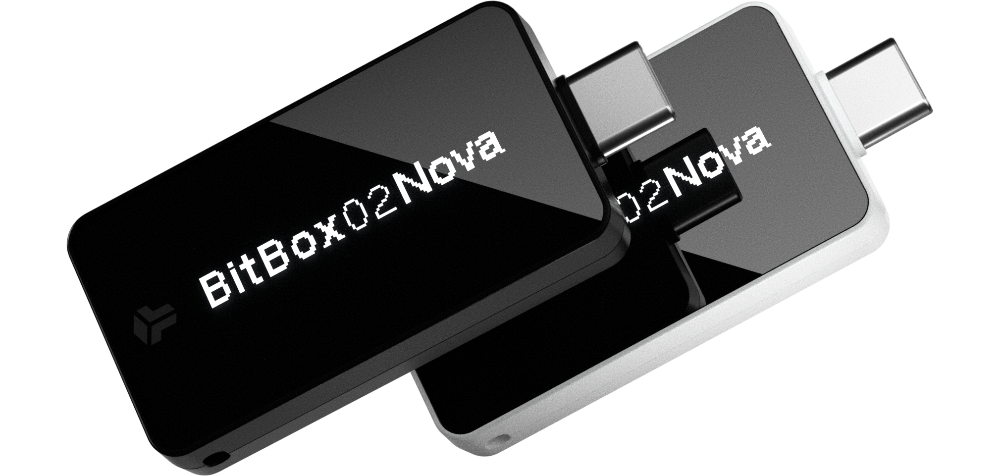
What are the benefits and tradeoffs of Bitbox02?
Bitbox02 offers several practical benefits: offline key storage, device-based confirmation, a focused wallet workflow, and backup options intended for self-custody. Bitbox02 may also appeal to users who prefer a compact device and a less cluttered signing experience. For long-term holders, reducing everyday exposure can be more valuable than adding more advanced features.
Bitbox02 also has tradeoffs. Hardware wallets cost money, require learning, and introduce responsibility that an exchange account hides from the user. If someone loses access to the device and backup, there may be no recovery desk to call. If someone approves the wrong transaction, a blockchain transfer generally cannot be reversed. Bitbox02 is a security tool, not insurance against every mistake.
| Consideration | Why it matters |
|---|---|
| Private key isolation | Bitbox02 keeps signing material away from everyday software environments. |
| Backup discipline | The recovery path must be protected from both loss and theft. |
| Asset support | Users should confirm current support before relying on any specific coin or token. |
| Transaction review | The device screen should be checked before approval. |
In practice, Bitbox02 is a good fit when the user values deliberate control more than maximum convenience. It is less suitable for someone who wants instant access from any device, does not want to manage backups, or is uncomfortable being responsible for irreversible transfers.
How does Bitbox02 compare with other wallet options?
Bitbox02 sits between custodial platforms and purely software-based wallets. A custodial exchange can be easier because the service manages account recovery, password resets, and interface design. The tradeoff is that the user does not fully control the private keys. A software wallet gives direct control and quick access, but the keys or signing environment may be closer to online threats.
Bitbox02 and other hardware wallets are built for a different balance. The user keeps custody while using dedicated hardware for signing. Compared with a phone wallet, Bitbox02 can be less convenient but more deliberate. Compared with a paper-only cold storage method, Bitbox02 is more usable for receiving, checking, and sending funds without manually handling raw key material.
Alternative hardware wallets may differ in screen size, supported coins, open-source components, secure element design, mobile support, desktop app design, multisig workflows, and recovery methods. Bitbox02 should be compared on the specific workflow the user actually needs. Someone holding only Bitcoin may evaluate different criteria from someone managing many assets across networks.
What mistakes should Bitbox02 users avoid?
Bitbox02 users should avoid treating the device as a magic shield. The most common risks are still human and operational: entering recovery words into a fake site, approving a transaction without checking the address, ignoring software authenticity, or keeping a backup where another person can find it. Bitbox02 reduces certain technical risks, but self-custody always includes personal process risk.
Bitbox02 should not be initialized while someone else is watching the backup process. It should not be bought casually from an unknown reseller when a more trustworthy source is available. It should not be used for large transfers before the owner has practiced receiving, sending, restoring, and verifying addresses. These habits are slow at first, but they make the wallet workflow more reliable.
Another mistake is failing to plan for heirs, emergencies, or device failure. Bitbox02 can protect keys from online theft, but a private backup nobody can find may create a different problem. Any inheritance or emergency access plan should be handled carefully, with attention to privacy, local law, and the risk of revealing too much information too early. This article is informational and should not be treated as legal or financial advice.
What should you verify before using Bitbox02?
Bitbox02 users should verify current product details, app downloads, firmware guidance, supported assets, backup instructions, and security notices through official sources before relying on the wallet. Crypto tools evolve, and outdated assumptions can be expensive. The safest approach is to use current manufacturer documentation for operational steps and treat general articles like this one as orientation rather than final instructions.
Bitbox02 can be a sensible choice for people who want a focused hardware wallet workflow and are willing to handle self-custody carefully. Its value comes from the combination of offline key handling, visible confirmation, and disciplined backups. The closing thought is simple: Bitbox02 can strengthen custody, but the user still has to slow down, verify details, protect recovery material, and understand the consequences of each transaction before signing.
Questions and Answers
What is Bitbox02 used for?
Bitbox02 is used to manage cryptocurrency private keys in a dedicated hardware device rather than leaving them exposed on an everyday computer or phone. It helps users create or restore a wallet, verify receiving addresses, and approve outgoing transactions on the device. It is mainly a self-custody tool, so the user remains responsible for backups, transaction checks, and safe storage practices.
Is Bitbox02 a cold wallet?
Bitbox02 is commonly described as a hardware wallet used in cold storage workflows because private keys are kept on a separate device instead of inside a browser wallet or exchange account. It still works with companion software to prepare transactions and display wallet information. The security benefit depends on using official software, checking the device screen, and protecting the recovery backup.
Can Bitbox02 protect me from all crypto scams?
No. Bitbox02 can reduce some technical risks by keeping keys off a general-purpose computer and requiring device confirmation, but it cannot stop every scam. A user can still be tricked into approving a bad transaction, sharing recovery words, installing fake software, or sending funds to the wrong address. Always verify details with official sources and treat urgent wallet requests as suspicious.
How does Bitbox02 backup recovery work?
Bitbox02 backup recovery depends on the setup method and current device guidance, but the general idea is that recovery information lets you restore wallet access if the device is lost, damaged, or replaced. That backup must be protected from both loss and theft. Avoid screenshots, cloud storage, email, or messaging apps for recovery material unless you fully understand the risks.
Is Bitbox02 only for Bitcoin?
Bitbox02 is often discussed by Bitcoin users, and some editions or configurations may focus on Bitcoin-only workflows. Asset support can depend on the exact model, firmware, app version, and official compatibility information. Before buying or relying on Bitbox02 for a specific coin or token, verify the current supported assets and setup instructions through the manufacturer.
What should I check before sending funds with Bitbox02?
Before sending funds with Bitbox02, compare the recipient address and transaction details shown on the device with what you intended to send. Use a small test transaction when learning the workflow or sending to a new destination. Also check network fees, wallet app authenticity, and whether you are interacting with the correct account or address type before approving anything.